
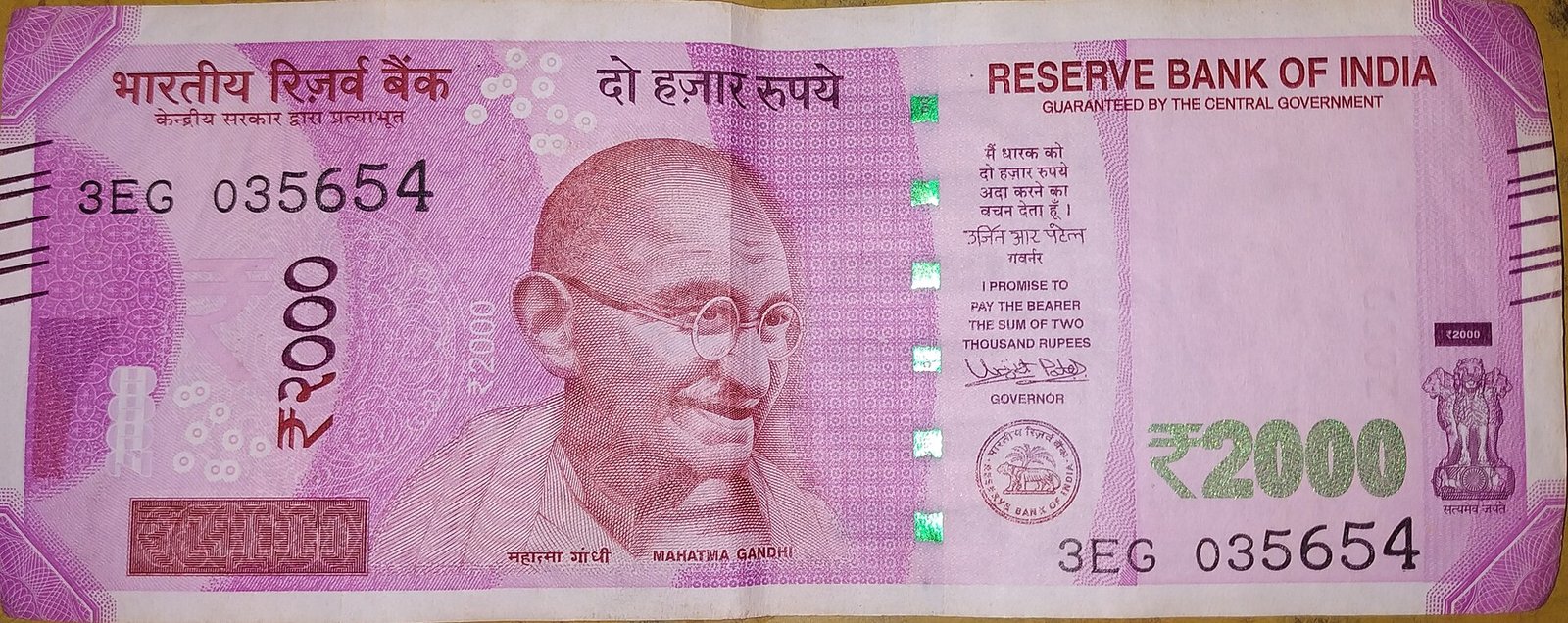
File photo: an Indian ₹2,000 banknote. Ravi Dwivedi. ₹2000 Indian Rupee Banknote.jpg. Wikimedia Commons. Source URL. Published under CC BY-SA 4.0. Cropped and resized.
The Enforcement Directorate has arrested four more people, including a Myanmar national, in a cross-border “narco-hawala” network after the Operation Trident raids, The Hindu reported. The ED’s power in a drug case comes from the Prevention of Money-Laundering Act, 2002. Two definitions do most of the work.
First hook: a scheduled offence
The PMLA bites only when there is a “scheduled offence” – one listed in the Act’s Schedule. Paragraph 2 of that Schedule lists offences under the Narcotic Drugs and Psychotropic Substances Act, 1985, including section 23 (illegal import, export or transhipment of narcotic drugs and psychotropic substances), section 24 (external dealings in contravention of section 12) and section 27A (financing illicit traffic and harbouring offenders). A methamphetamine trafficking case of the kind the ED describes sits squarely in that list.
Second hook: “proceeds of crime”
Section 2(1)(u) defines proceeds of crime as “any property derived or obtained, directly or indirectly, by any person as a result of criminal activity relating to a scheduled offence or the value of any such property”, including equivalent-value property held within India or abroad. An explanation added later widens it to any property derived from “any criminal activity relatable to the scheduled offence” – which is how hawala transfers, bank balances and goods bought with drug money all come within reach.
The offence itself
Section 3 makes it money-laundering to be directly or indirectly involved in “any process or activity connected with the proceeds of crime including its concealment, possession, acquisition or use and projecting or claiming it as untainted property”. A statutory explanation says the process “is a continuing activity” that lasts as long as the proceeds are enjoyed in any of those ways. Section 4 prescribes rigorous imprisonment of three to seven years and a fine, but its proviso raises the maximum to ten years where the proceeds of crime relate to an offence in Paragraph 2 of Part A of the Schedule – the NDPS offences at the centre of this case.
What the ED alleges in this case
According to the agency, Myanmar national Thangcintuang supplied the 49.1 kg methamphetamine consignment seized on August 21, 2025; an account in accused Abu Saleh’s name received Rs 11.44 crore; seized cash books show rupees converted into Myanmar Kyat at about 42 to 48 per rupee, with cumulative transactions exceeding 43 crore Kyat; and 991 bank accounts linked to the Churachandpur network have been frozen. These remain allegations under the PMLA process, which the special court will test.