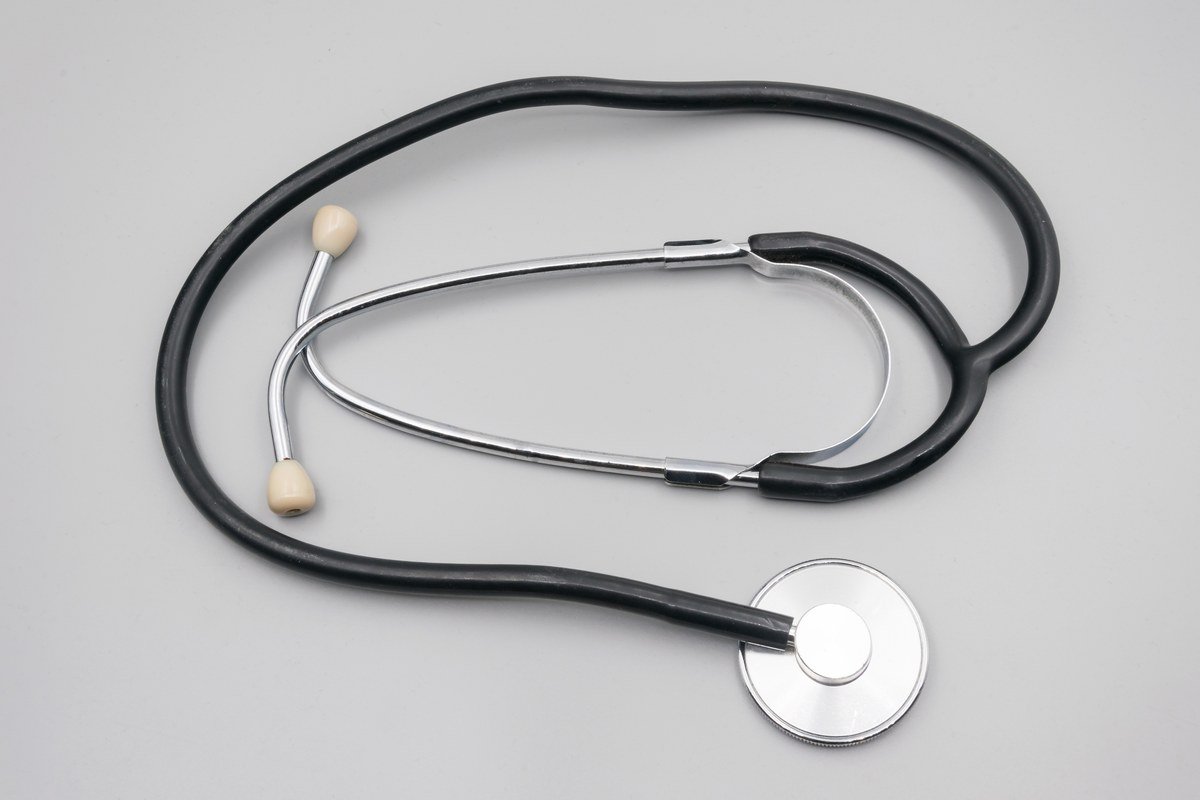
File photo: a stethoscope. Jacek Halicki. Wikimedia Commons. Source URL. Published under CC BY-SA 4.0. Cropped and resized.
The National Medical Commission has warned students and parents that fraudulent institutions could be misleading medical aspirants through advertisements, websites, social media promotions and unauthorised admission offers, The Hindu reported. Here is what the advisory asks students to do.
Why the advisory now
The advisory was issued in compliance with Supreme Court directions in Ayesha Jain v. Amity University, Noida and others, an ongoing case in which the court took note of a reported instance of a purported fake medical college operating from a farmhouse and claiming to offer various courses. The court directed regulatory bodies, including the NMC, to caution students and parents.
What to verify
Students should independently verify a college’s approval status, permitted student intake and admission permissions for the relevant academic year – before seeking admission or making any payment. A college’s presence in an official list, or its previous operation, does not by itself establish permission to admit students in subsequent years.
Where to verify
Approvals should be checked against official NMC and Medical Assessment and Rating Board (MARB) records. For admissions governed by counselling, students should use official channels such as the Medical Counselling Committee (MCC) or the competent State and Union Territory counselling authorities. The NMC cautioned against relying exclusively on prospectuses, websites, advertisements, social media posts, or purported Letters of Permission circulated by institutions or their representatives.
Payments and agents
The Commission advised against making admission-related payments to unauthorised agents, personal bank accounts or unverified intermediaries. It also noted that affiliation, registration or recognition granted by one authority for one purpose should not be read as NMC permission to conduct an MBBS course – each statutory requirement must be independently satisfied.
If something looks fake
Suspected fake medical colleges, unauthorised MBBS courses, forged permission letters and fraudulent admission offers can be reported to the NMC through its official channels, to State or U.T. medical education departments, relevant regulatory authorities or local police. Students are advised to preserve advertisements, payment receipts, correspondence and website details as supporting evidence. Courses in pharmacy, nursing, Ayurveda and allied healthcare fall under different regulators and must be checked with them separately.